Equipment guide
Best gear for
watching the night sky
You don't need expensive equipment to see asteroids, planets and deep-sky objects. Here are the telescopes, binoculars, books and tools that will take you furthest for your budget.
This page contains affiliate links. As an Amazon Associate I earn from qualifying purchases.
Telescopes
For a first telescope, aperture matters more than magnification. A 76mm or 130mm reflector will show you the Moon's craters, Jupiter's moons, Saturn's rings, and bright nebulae. The objects tracked on this site are far too faint for amateur scopes, but there is plenty else to point at. The Celestron Firstscope is the most affordable way in; the SkyWatcher StarQuest-130P steps up meaningfully for observers who want more detail.

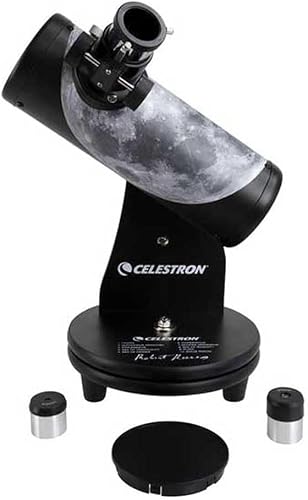
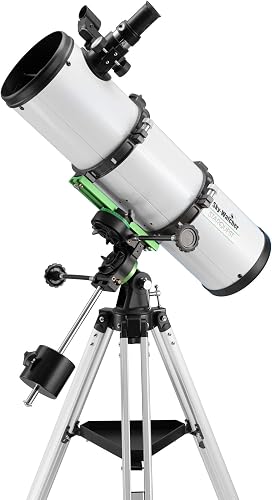
Binoculars
Binoculars are underrated for astronomy. They're portable, require no setup, and the wider field of view makes them ideal for sweeping the Milky Way or watching meteor showers. The 10×50 is the classic all-rounder, steady enough to hand-hold and bright enough for faint objects. The 15×70 SkyMaster gathers more light but benefits from a tripod adapter for extended sessions.


Books
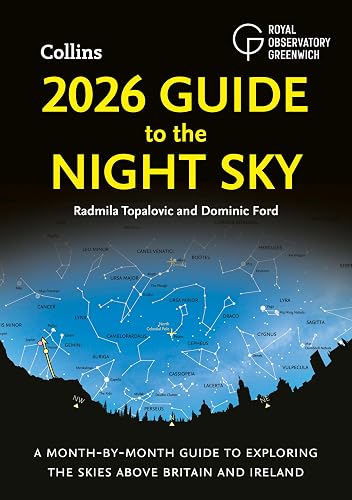
A good book will teach you more in an evening than an hour of random searching online. Turn Left at Orion is the definitive beginner's observing guide, written entirely for small telescopes and taking you object by object through the sky. The annual Guide to the Night Sky is a compact month-by-month companion for UK and Ireland observers. Neil deGrasse Tyson's Astrophysics for People in a Hurry is an engaging primer on the physics behind everything you'll observe.


Planisphere
A planisphere is a rotating star chart that shows you exactly which constellations are visible for any date and time of year. It needs no battery, has no screen glare to kill your night vision, and fits in a jacket pocket. Philip's produces the definitive version for British and Irish latitudes (51.5° N) - a sturdy hardback with a clear acetate window.
